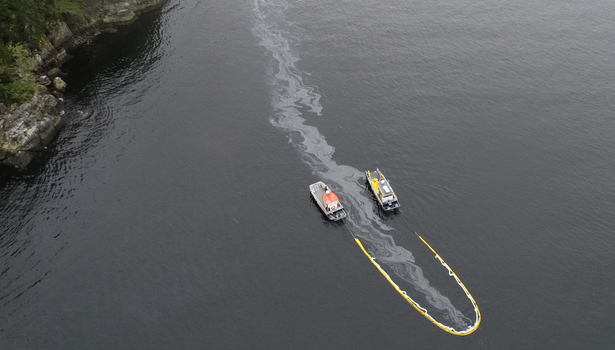
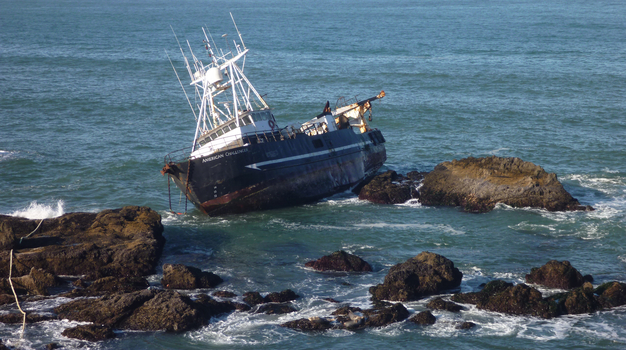
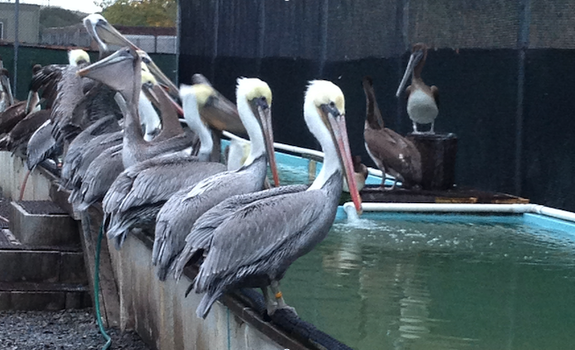
Our Vision: No spilled oil
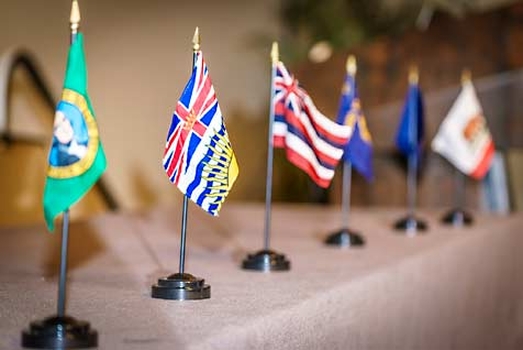
The Oil Spill Task Force is an organization comprised of representatives from state and provincial environmental agencies in the Pacific coastal area. We collect and share data on oil spills, coordinate oil spill prevention projects, and promote regulatory safeguards. Our mission is to improve prevention, preparation, and response to oil spills on a state and provincial level.
READ MORE…
Several Current Task Force Projects:
Task Force Mutual Aid and Response Capacity
Since 1996, Task Force jurisdictions have operated with a Mutual Aid Agreement for the sharing of equipment and staff resources among the six jurisdictions in the event of a spill. The agreement serves to clearly outline the process of sharing equipment and staff resources in response to a spill and provides guidance to the Task Force members on shared procedures. Task Force members last exercised the Mutual Aid agreement in May 2024. Jurisdictions practiced the process for requests and notification, communication during the response, demobilization, and post-response evaluation. The Task Force maintains a roster of incident command system (ICS)-trained and -certified staff across the Task Force jurisdictions.
Pacific Oil Spill Prevention Education Team Workgroup (POSPET)
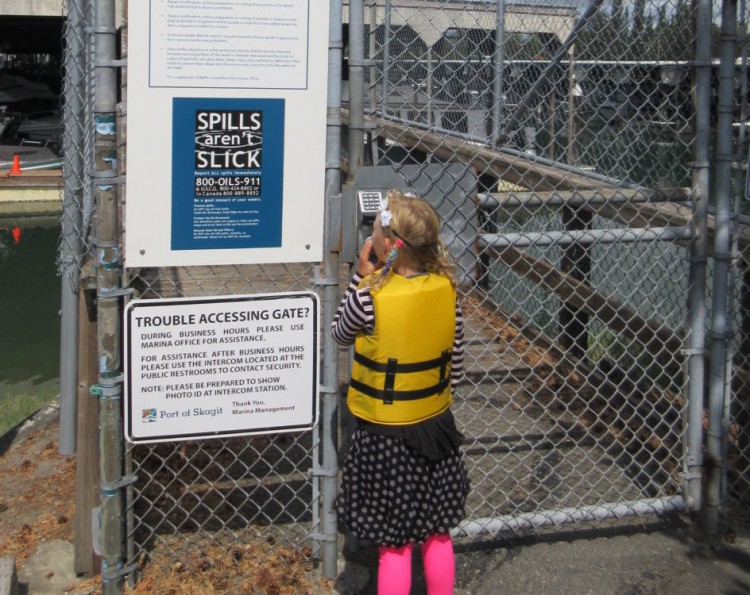
The Pacific Oil Spill Prevention Education Team (POSPET) was formed in 1992 to support the Task Force’s “no spilled oil” goal by focusing on chronic small spill prevention and response through focused education and cross-jurisdictional coordination. POSPET members include representatives from Task Force jurisdictions, as well as industry associations and nonprofit groups. Since its inception, POSPET members have tackled the widespread problem of small spills by sharing prevention ideas and outreach strategies, collaborating on projects, and sharing educational tools and resources. Outreach has primarily focused on the recreational boating community and marina operators to address 1) small spill prevention during fueling operations, 2) using appropriate clean-up methods when spills occur, 3) reporting spills to the “OILS-911” hotline, and 4) advancing other boater best-management practices.
Drills and Exercises Workgroup
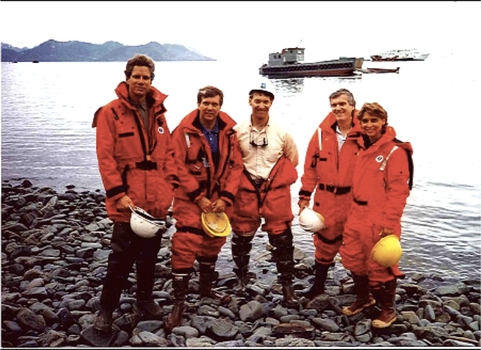
The Task Force jurisdictions conduct or participate in drills and exercises to evaluate industry spill response plans and provide recommendations to assist industry in ensuring their response plans are adequate and effective. Requirements for drills and exercises vary by jurisdiction, and this can pose challenges when one response plan is being evaluated in several jurisdictions. To address the variability in drill objectives and requirements, the Task Force convened a workgroup in 2018 to compare evaluation criteria across the Task Force jurisdictions; developed common, cross-jurisdictional requirements; and began sharing information on the outcome of drills and exercises through regular workgroup conference calls. The workgroup meets quarterly to share outcomes and lessons learned from drills and exercises taking place among the member jurisdictions.
Research and development Workgroup
The Task Force hosts a research and development workgroup that meets twice annually. Originally formed in 2009, this workgroup’s goal is to improve the Task Force members’ knowledge of current oil spill research and development projects, to provide input regarding projects of value to our member jurisdictions, and to facilitate the use of Best Available Technologies (BAT). Participation in the workgroup includes provincial, state, and federal agencies from both the US and Canada, National Academies, and the Coastal Response Research Center. There is a standing invitation for new members to join the workgroup, especially from any institutions conducting research on oil toxicity, fate, or transport, including renewables and emerging fuels. In 2024 and 2025, the workgroup shared updates on ongoing research activities, new tools for communication and spill detection, and compiled a list of resources, workshops/trainings and conferences for members.